DifficultyBeginnerPrep Time10 minsCook Time5 minsTotal Time15 mins
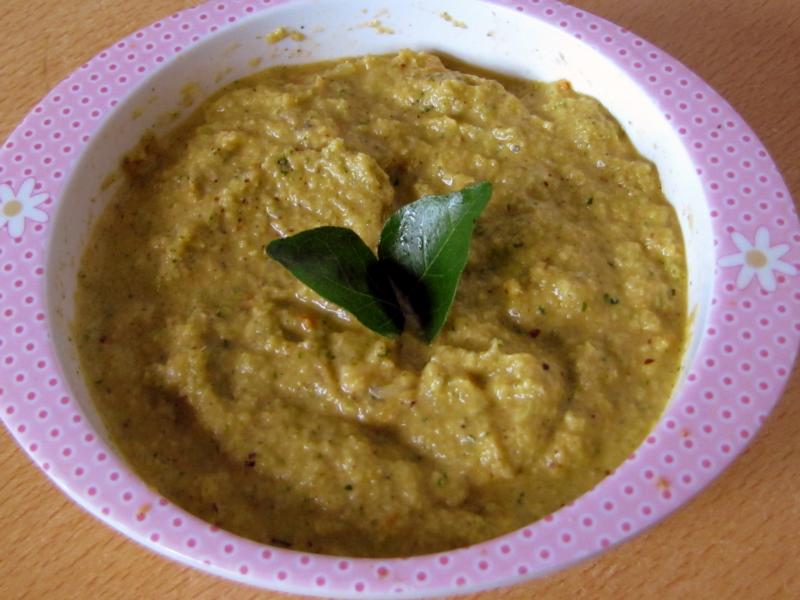
As I mentioned in the Potato Sabji post, also made Tomato and Coconut chutney to go with the dosas yesterday. Chutneys have a special place in Indian cuisine. They are our equivalent to the West’s dipping sauces. In different parts of India, a varied mix of ingredients goes into the making of numerous types of chutneys through ingenious permutation and combination. They are normally spicy, sometimes sweet and spicy, and are accompanied with different foods from breakfast to dinner, to add that extra zing to the meal. Although chutneys are popular everywhere in the world nowadays thanks to the bottled stuff you get at supermarkets, these have been adapted and mutated to suit local market tastes, to such an extent, that an Indian grandmother would refuse to even call it chutney.
Chutneys are reminiscent of times when grandmothers used to grind them on mortar and pestle, and made them the truly traditional way. Even as we recreate the same in our electric mixers, they are slowly losing their popularity amongst the younger generation.
When it starts to splutter, add onions, ginger, garlic, tomatoes, green chilies and curry leaves. Sauté for a minute.
Then add the coconut and coriander leaves and sauté for another minute. Add salt to taste.
Let the mix cool down and then grind this to a smooth paste.
Serve with dosas or as an accompaniment to rice with dal.
Directions
1
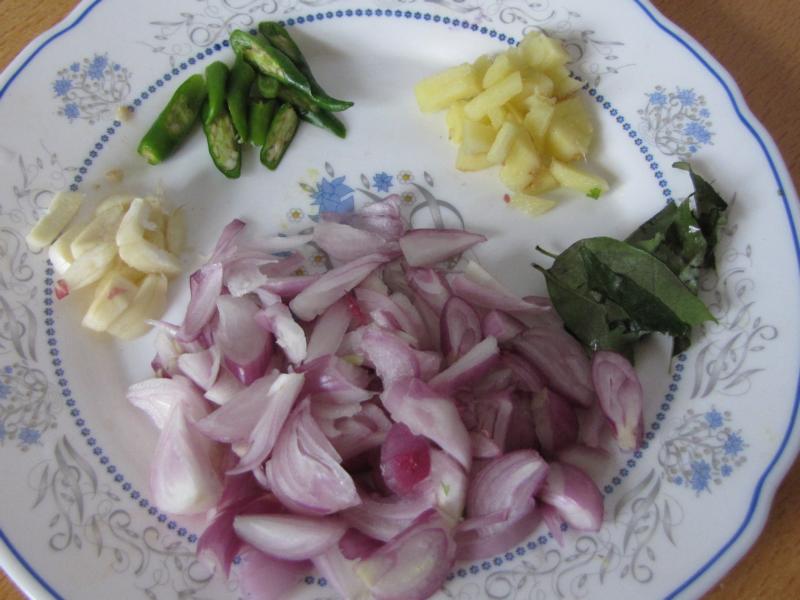
I love this Tomato and Coconut chutney that my mother-in-law makes. I make it slightly different by adding coriander leaves to it. You need some shallots, curry leaves, ginger, garlic and green chilies.
2
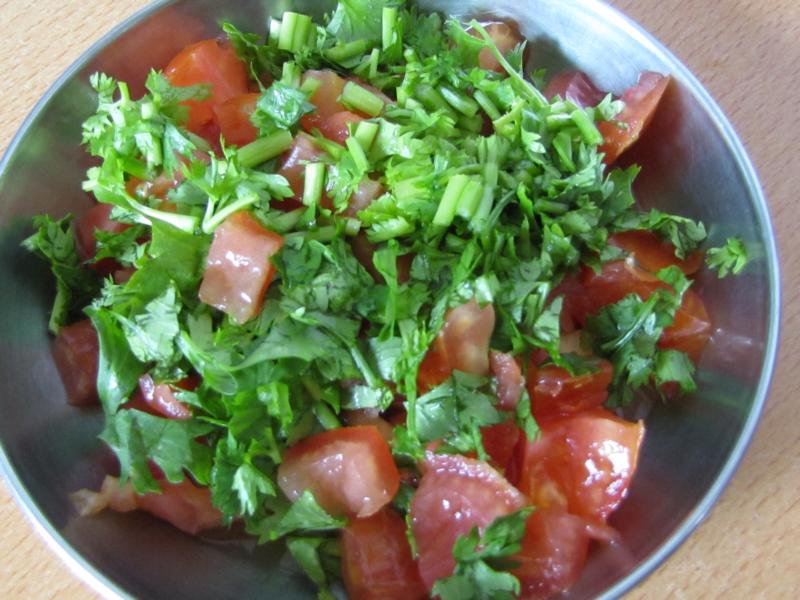
Roughly chopped Tomato and coriander
3
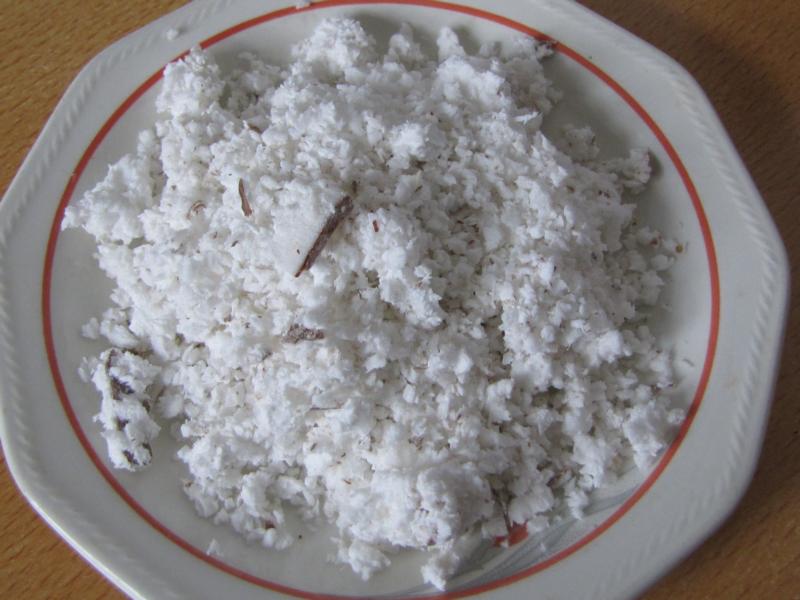
Some Grated Coconut. Another version can also be made without the coconut. It is essentially the same process minus the grated coconut. You temper it in the end with mustard seeds and whole red chilies.
4
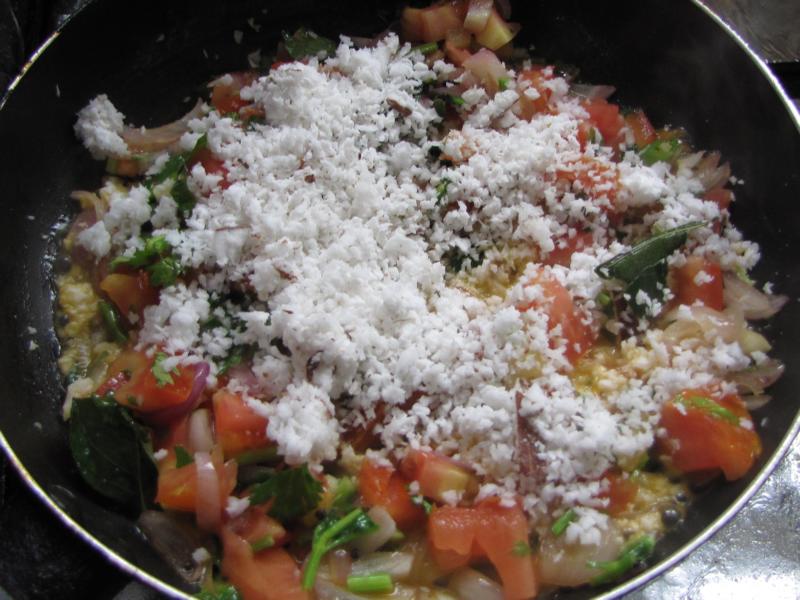
Cook all the ingredients together in some coconut oil.
5
Once cooled, grind it to a paste and it is ready to eat. In the version without the coconut, the tempering is added after grinding it to a paste.
Ingredients
1tspcoconut oil / vegetable oil
¼tspMustard seeds
5Small onions -sliced
1small piece Ginger – chopped
2pods Garlic – chopped
1big Tomato – roughly chopped
2Green chilies – chopped
2Curry leaves
1cupgrated Coconut
4tbspchopped Coriander leaves
Salt to taste
Directions in a nutshell
In a pan heat the oil and add some mustard seeds.
When it starts to splutter, add onions, ginger, garlic, tomatoes, green chilies and curry leaves. Sauté for a minute.
Then add the coconut and coriander leaves and sauté for another minute. Add salt to taste.
Let the mix cool down and then grind this to a smooth paste.
Serve with dosas or as an accompaniment to rice with dal.
Directions
1
I love this Tomato and Coconut chutney that my mother-in-law makes. I make it slightly different by adding coriander leaves to it. You need some shallots, curry leaves, ginger, garlic and green chilies.
2
Roughly chopped Tomato and coriander
3
Some Grated Coconut. Another version can also be made without the coconut. It is essentially the same process minus the grated coconut. You temper it in the end with mustard seeds and whole red chilies.
4
Cook all the ingredients together in some coconut oil.
5
Once cooled, grind it to a paste and it is ready to eat. In the version without the coconut, the tempering is added after grinding it to a paste.
To provide the best experiences, we use technologies like cookies to store and/or access device information. Consenting to these technologies will allow us to process data such as browsing behaviour or unique IDs on this site. Not consenting or withdrawing consent, may adversely affect certain features and functions.
Functional
Always active
The technical storage or access is strictly necessary for the legitimate purpose of enabling the use of a specific service explicitly requested by the subscriber or user, or for the sole purpose of carrying out the transmission of a communication over an electronic communications network.
Preferences
The technical storage or access is necessary for the legitimate purpose of storing preferences that are not requested by the subscriber or user.
Statistics
The technical storage or access that is used exclusively for statistical purposes.The technical storage or access that is used exclusively for anonymous statistical purposes. Without a subpoena, voluntary compliance on the part of your Internet Service Provider, or additional records from a third party, information stored or retrieved for this purpose alone cannot usually be used to identify you.
Marketing
The technical storage or access is required to create user profiles to send advertising, or to track the user on a website or across several websites for similar marketing purposes.